
Nearly 40 million players worldwide are actively engaged in racket sports like padel, tennis, and pickleball. However, access to available playing spaces remains a challenge for many enthusiasts. With the rising popularity of these sports, particularly in urban areas, demand for courts often surpasses supply, leading to scheduling conflicts and overcrowded facilities.

This article delves into effective strategies and resources for locating and booking available playing spaces for these sports.
-
Digital Platforms: These are designed to streamline the booking process and enhance user convenience. Many apps and websites now allow players to view court availability, book slots, and even pay online, reducing the hassle of manual reservations.
-
Community-Driven Initiatives: Local communities are coming together to create more playing spaces. This includes converting unused public spaces into courts or organizing group funding for new facilities.
-
Public-Private Partnerships: Collaborations between government bodies and private entities are crucial in expanding access to facilities. These partnerships often result in the construction of new courts or the refurbishment of existing ones to ensure high-quality playing conditions.
By providing a comprehensive overview of the current landscape of racket sport facilities, this article aims to equip players with practical information and insights. This knowledge facilitates greater access and enjoyment of their chosen sport, ensuring that more players can enjoy courts of high quality.
Find courts with one click to simplify your search and maximize your time on the court.
Digital Platforms for Booking
Digital platforms have revolutionized how players book courts for padel, tennis, and pickleball, offering a seamless and efficient reservation process. These booking platforms enhance court accessibility by providing users with:
- Real-time availability
- Pricing details
- Location information
This innovation ensures that players can easily secure their desired playing spaces without unnecessary delays or complications.
By integrating technology into the booking process, these platforms foster a sense of community among enthusiasts, connecting them through shared interests and activities.
Community partnerships play a vital role in the success of these digital booking platforms. Collaborations with local sports facilities and organizations ensure a wide range of accessible courts for users. These partnerships enhance the overall user experience by offering diverse options for players to engage in their preferred sports.
Furthermore, the integration of community feedback into platform development helps refine features, ensuring user needs are consistently met.
This approach not only caters to the immediate requirements of the sports community but also strengthens the bond among players, facility providers, and digital platforms.
Community-Driven Playing Spaces
Local communities transform playing spaces for padel, tennis, and pickleball by actively engaging in their development and management. This involvement fosters a sense of belonging and encourages the creation of inclusive environments.
Community partnerships play a pivotal role in establishing and maintaining these facilities, ensuring that they meet the diverse needs of local residents. By collaborating with:
- Local organizations
- Municipalities
- Sports clubs
Communities can create sustainable playing spaces that are accessible to all.
Booking platforms have become an essential tool in managing these spaces efficiently. They facilitate:
- Easy access to court availability
- Allowing players to reserve times that suit their schedules
This technology enhances court accessibility, ensuring that all community members have the opportunity to participate in these popular sports. Additionally, these platforms often provide valuable data that can help communities optimize the use of their facilities.
By leveraging community partnerships and modern technology, local communities can ensure that playing spaces for padel, tennis, and pickleball are welcoming, inclusive, and efficiently utilized.
Public-Private Facility Collaborations
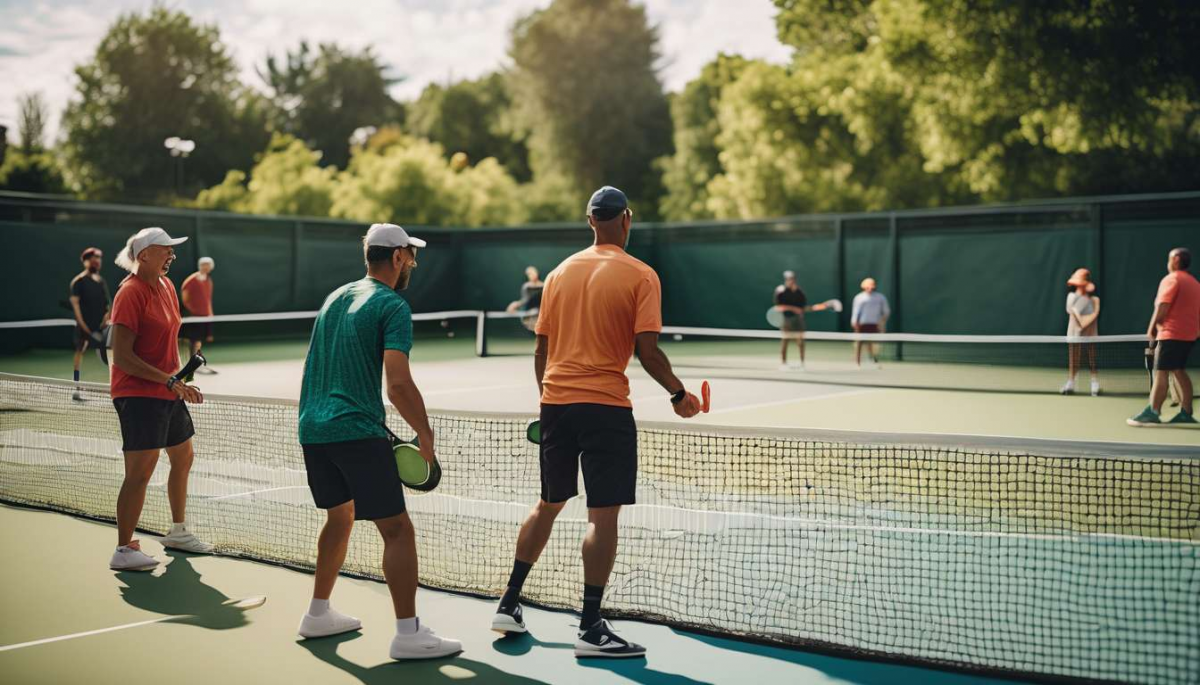
Public-private collaborations significantly enhance the development and maintenance of playing spaces for padel, tennis, and pickleball by combining resources and expertise from both sectors. These partnerships facilitate the creation of high-quality facilities and ensure court accessibility for a diverse range of players, fostering a sense of community and inclusion.
Key Benefits of Public-Private Collaborations:
-
Resource Combination: By leveraging the strengths of public institutions, such as land and funding, alongside private sector innovation and efficiency, these collaborations create sustainable and well-maintained playing spaces.
-
Integration of Booking Platforms:
- Streamlines the reservation process.
- Maximizes court utilization.
- Allows players to easily find and book available courts.
-
Community Engagement:
- Involves local groups and organizations in the planning and management of facilities.
- Reinforces a shared commitment to sports development.
This synergy between public and private entities ultimately leads to improved accessibility, fostering community engagement and a thriving sports culture. Through these partnerships, the benefits are manifold, promoting both individual participation and community well-being.
Strategies for Accessing Courts
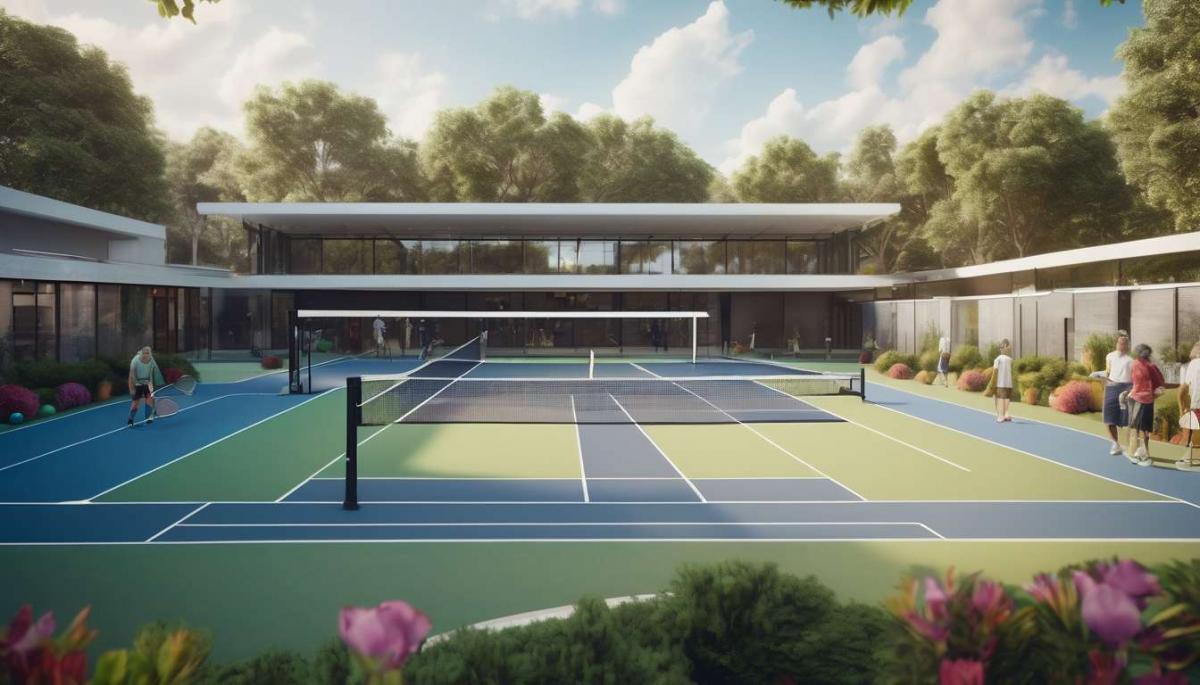
Ensuring efficient access to padel, tennis, and pickleball courts requires implementing effective reservation systems and optimizing facility management. Booking platforms play a crucial role in streamlining the scheduling process, ensuring that players can easily find and reserve available courts.
These platforms offer a centralized system where enthusiasts can:
- View real-time availability
- Reduce the likelihood of conflicts
- Enhance overall user satisfaction
By integrating technology with court accessibility, facilities can cater to a wider audience, fostering a sense of community among players.
Community partnerships contribute significantly to improving court accessibility. Collaborations with local organizations and clubs can help expand facilities’ reach and resources, making it easier for individuals to participate in these sports.
Such partnerships often result in:
- Shared facilities
- Promotional activities
These efforts further promote inclusivity and engagement within the community.
By prioritizing strategic collaborations and leveraging booking platforms, facilities can effectively manage their resources and enhance access to courts, ultimately supporting a vibrant and active sporting community.
Enhancing User Convenience
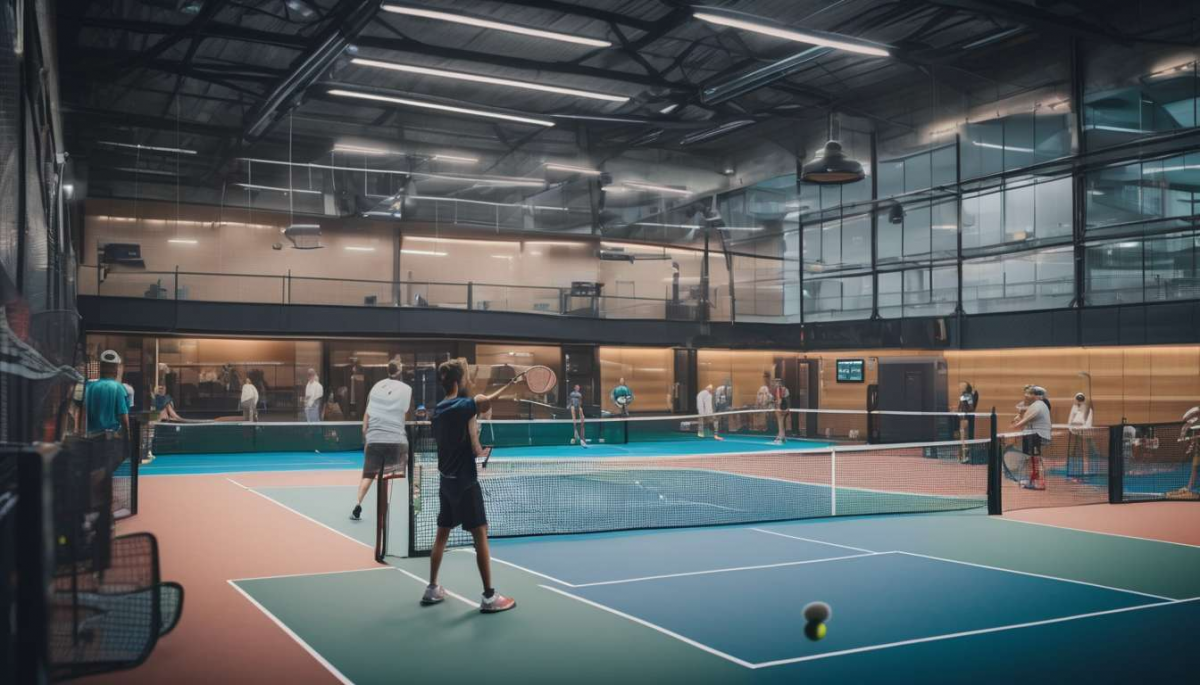
To enhance user convenience, facilities should focus on implementing user-friendly interfaces and seamless navigation in their booking systems. This approach ensures that players can effortlessly reserve courts, fostering a sense of community and inclusivity.
Booking platforms must be designed to accommodate diverse user needs, offering features such as:
- Real-time availability updates
- Simple payment processes
These elements contribute to a more streamlined experience, encouraging frequent participation and engagement among players.
Community partnerships play a vital role in enhancing user convenience by promoting court accessibility. Collaborations between facilities and local organizations can lead to:
- Shared resources
- Coordinated scheduling
This maximizes the use of available spaces and ensures that community members feel welcomed and supported in their pursuit of recreational activities.
Integrating mobile applications with booking platforms enhances accessibility by allowing users to make reservations on-the-go. This technological integration not only simplifies the booking process but also strengthens the connection between players and facilities, creating a cohesive and supportive sports community.
Expanding Court Availability
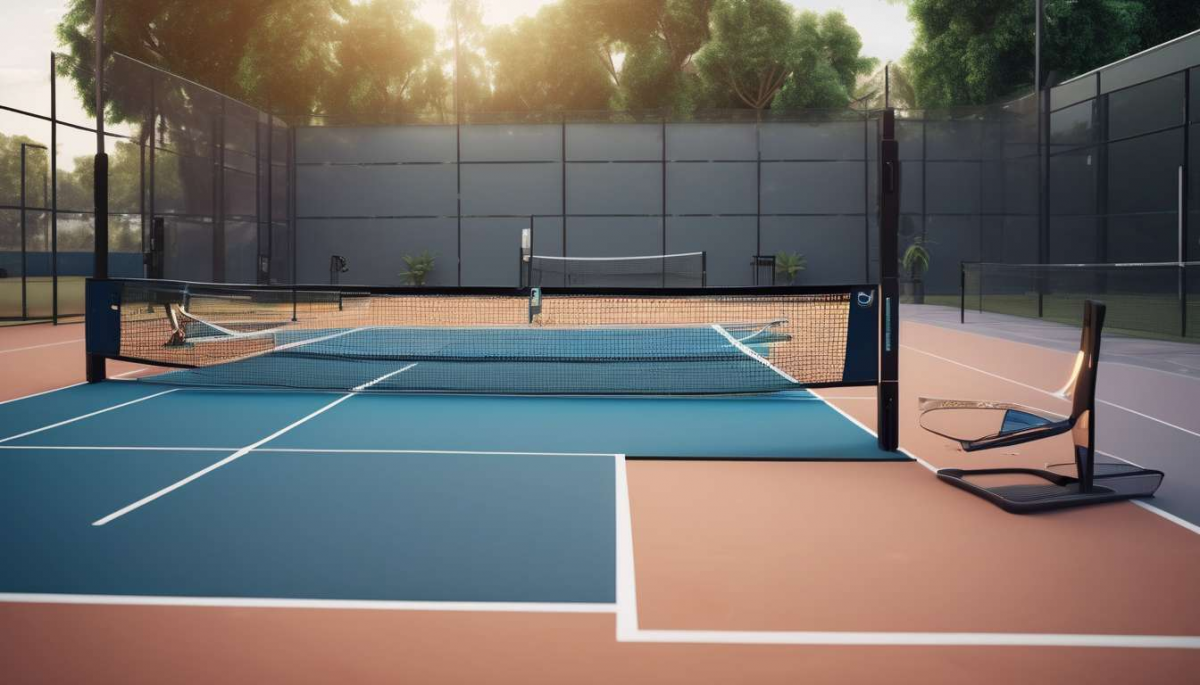
To meet the growing demand for court time, facilities must explore two key strategies: expanding operating hours and optimizing court utilization.
Expanding Operating Hours:
- Extending hours can accommodate more players.
- Longer hours provide more flexibility for players’ schedules.
Optimizing Court Utilization:
- Ensures maximum usage of available courts.
- Leveraging booking platforms can streamline the reservation process by:
- Allowing players to reserve slots efficiently.
- Reducing idle time.
- Increasing turnover.
Community Partnerships play a crucial role in enhancing court accessibility. Collaborating with entities such as:
- Local schools
- Parks
- Recreational centers
These partnerships can provide additional venues for play, fostering a sense of community and belonging. They also facilitate shared resources, such as:
- Maintenance
- Staffing
Ensuring courts remain in optimal condition for all users.
Moreover, innovative solutions like temporary or portable courts can be considered during peak demand times. These courts offer:
- Flexibility
- Deployment in various locations
Increasing the availability of playing spaces.
By implementing these strategies, facilities not only meet the needs of avid players but also contribute to a vibrant, inclusive sports community.